National Art Festival 2026
20 December 2025
CIT
National Art Festival 2026
A Symphony of Colour, Rhythm and Melody: National Art Festival at YASHADA
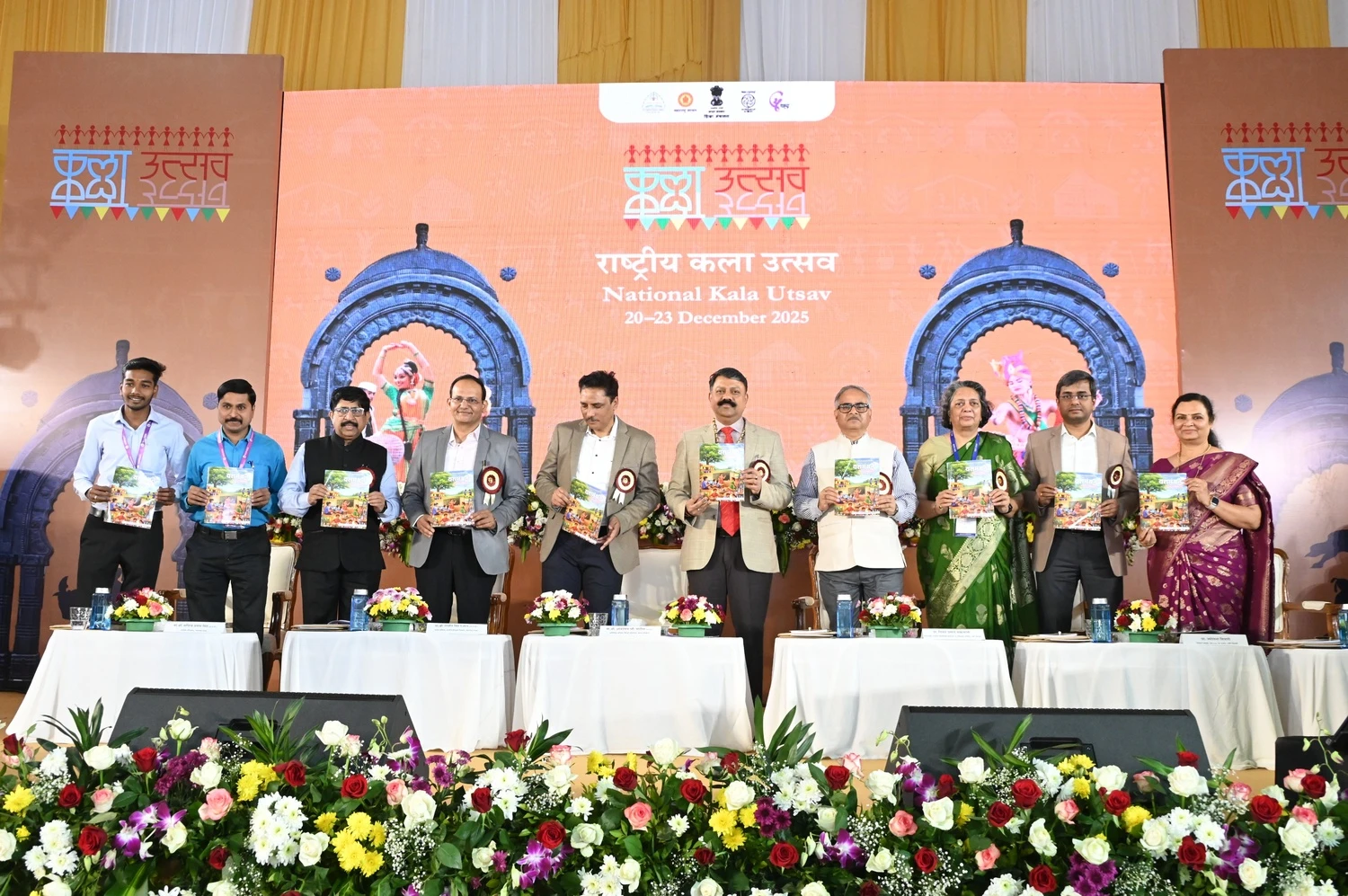
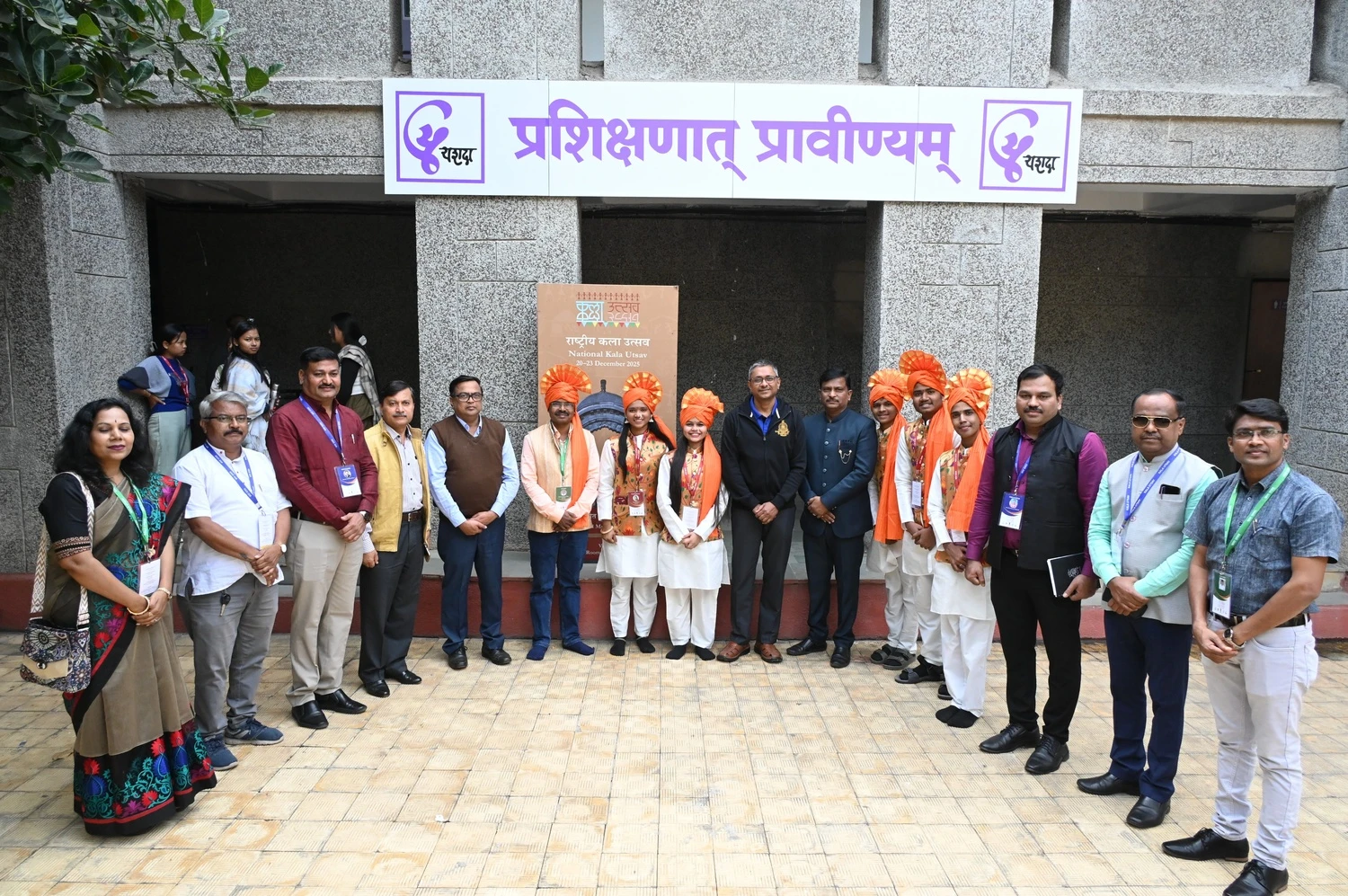
The 11th National Art Festival was organized by the Ministry of Education, Government of India, in collaboration with the School Education Department, Government of Maharashtra, from 20 to 24 December 2025 at the Yashwantrao Chavan Academy of Development Administration (YASHADA), Pune.
The festival was formally inaugurated by Mr. Anandarao Patil, Additional Secretary, Ministry of Education; Mr. Ranjitsingh Deol, Principal Secretary, School Education Department, Government of Maharashtra; Mr. Sachindra Pratap Singh, State Commissioner of Education; Mr. Rahul Rekhawar, Director of Education; along with Mr. Shekhar Gaikwad, Additional Director General, YASHADA; Mr. Sachin Kalantri, Deputy Director General; and Mr. Mallinath Kalashetty.
Organized annually by NCERT since 2015, this year marked the 11th edition of the festival and, notably, the first time Maharashtra had the honour of hosting it. The objective of the National Art Festival is to make student learning more creative, expressive, and joyful.
Students from all States and Union Territories of India, including Kendriya Vidyalayas, Jawahar Navodaya Vidyalayas, and Eklavya Model Residential Schools, participated in the festival. A total of 918 students—405 boys and 513 girls— showcased their talents.
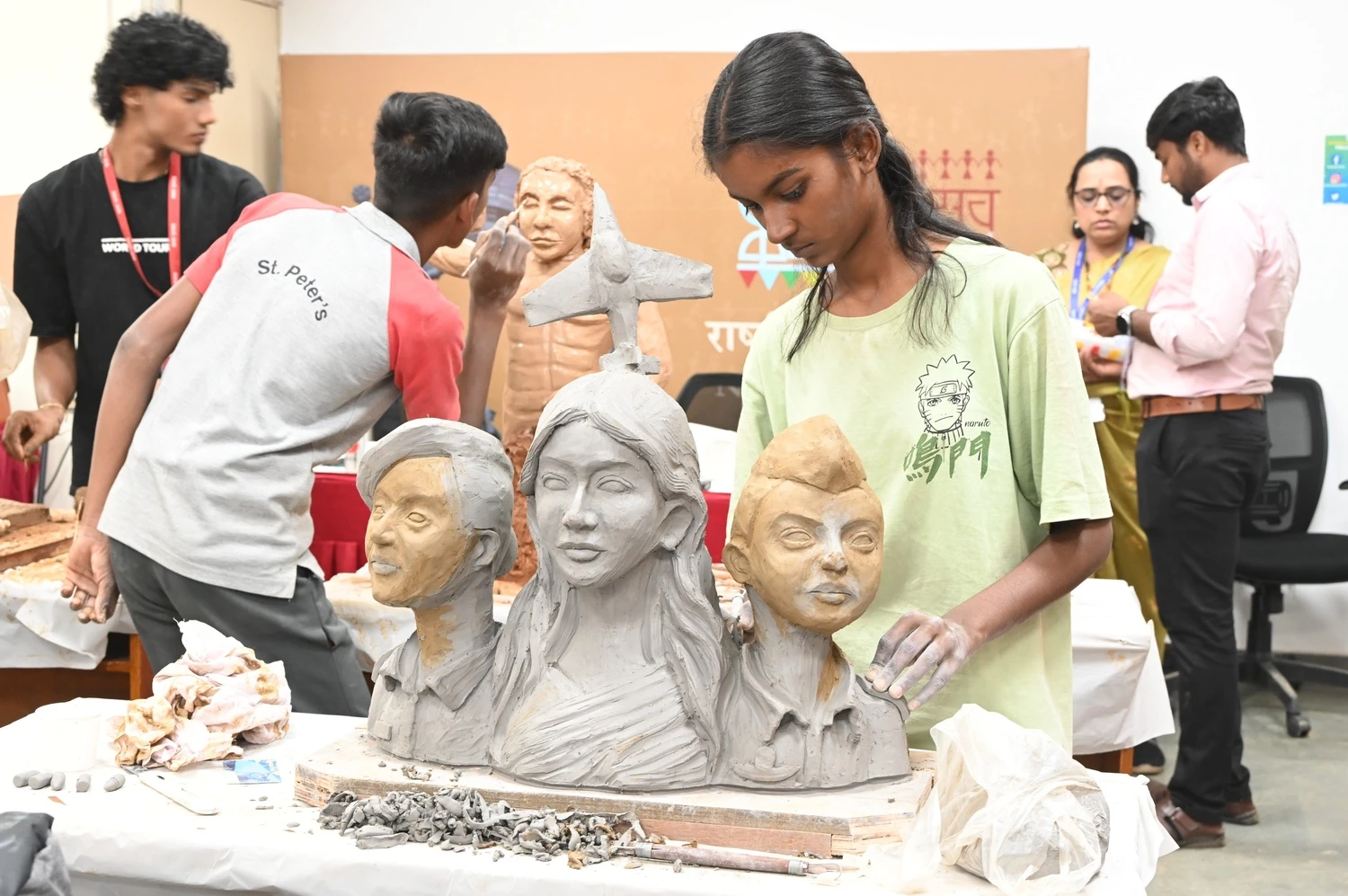
From the very first day, the serene and green campus of YASHADA came alive with the vibrant pulse of the National Art Festival. Competitions in twelve art forms, including classical dance, music, theatre, painting, and clay modelling, transformed the campus into a flourishing garden of art. With gifted students from across the country and 32 eminent jury members evaluating their performances, the festival evolved into a profound cultural experience, far beyond a mere competition.
Art belongs to no one; it is an emotional current that flows through humanity. This very spirit unfolded across the tranquil YASHADA campus in the form of colours, melodies, and rhythms. In the gentle morning light, one could feel the cool breeze of Kashmir, witness the majestic movements of Kerala’s Kathakali, sway to the rhythm of Maharashtra’s Lezim, rejoice in the exuberance of Punjab’s Bhangra, and admire the grace of Rajasthan’s Ghoomar. It felt as though the entire nation, draped in vibrant cultural attire, had gathered at YASHADA.
The true soul of the festival was the young artists. Their eyes sparkled with hope, their steps carried rhythm, and their hearts brimmed with dreams. Watching feet move to the beats of the tabla and moments dissolve into the melodies of the sitar and flute made one realize that art connects people, but it is children who keep art alive.
As members of the organizing committee, many individuals worked tirelessly behind the scenes—managing meals, coordinating green rooms, and attending to the logistics of distinguished guests. Each task was undertaken with dedication, striving for excellence. Alongside this effort was an experience of artistic devotion unlike any before. Despite the constant activity, there was no sense of fatigue, for the work itself was enriching and inspiring.
When the festival concluded, young artists returned to their homes across the country, carrying awards, recognition, and renewed dreams. Yet within the YASHADA campus, the echoes of melodies, the splash of colours, the rhythm of youthful steps, and the resonance of ghungroos continue to linger.