Administrative Panchasutri
01 January 2026
CMP
Smt. Madhuri Gunjal
Since human beings are social animals, rules, discipline, and systems of functioning are essential in society. The system that provides direction and momentum to this process is administration. The government formulates policies, while administration implements them in practice. The disciplined administrative machinery of Chandragupta Maurya in history and the Ashtapradhan Council of Chhatrapati Shivaji Maharaj are considered classic examples of good administration. The principles and formulas propounded by thinkers in management science, public administration, and modern good governance culminate in the following basic principles—planning, organisation, execution, control, and evaluation with accountability. When this panchasutri (fivefold formula) is implemented effectively, administration becomes people-centric, effective, and sustainable.
Human beings are social animals. To live together in society, certain rules, values, and systems of functioning are necessary. Only when these rules are followed does social discipline endure. Planning, coordination, and control of various social elements are also essential. The system that gives direction and momentum to this entire process is administration. There is a subtle but significant difference between government and administration. The government formulates policies, whereas administration implements them. History provides many references showing that good governance makes society secure and prosperous. For example, as described in the Arthashastra, the administrative system during the reign of Chandragupta Maurya was highly disciplined, integrating taxation, intelligence networks, trade regulation, and security. Similarly, the Ashtapradhan Council of Chhatrapati Shivaji Maharaj in the seventeenth century, along with a systematic revenue administration and judicial system, is regarded as an ideal model of administration.
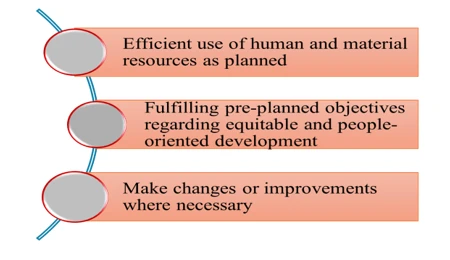
Human society is constantly evolving. To guide, discipline, and lead this changing society towards development, administration has always occupied—and continues to occupy—a central role. Administration is an important component of social life. It is not merely a government mechanism but an organised process operating across various sectors of society. Good administration is considered the foundation of social progress and national strength. Generally, administration means the planned, disciplined, and effective use of available resources to achieve predetermined objectives. In a broader sense, administration includes all efforts made to achieve the objectives of society or an institution, such as decision-making within the government system, implementation of decisions, and exercising control over them. In short, administration is the efficient, just, and people-oriented use of human and material resources according to a planned framework to achieve objectives.
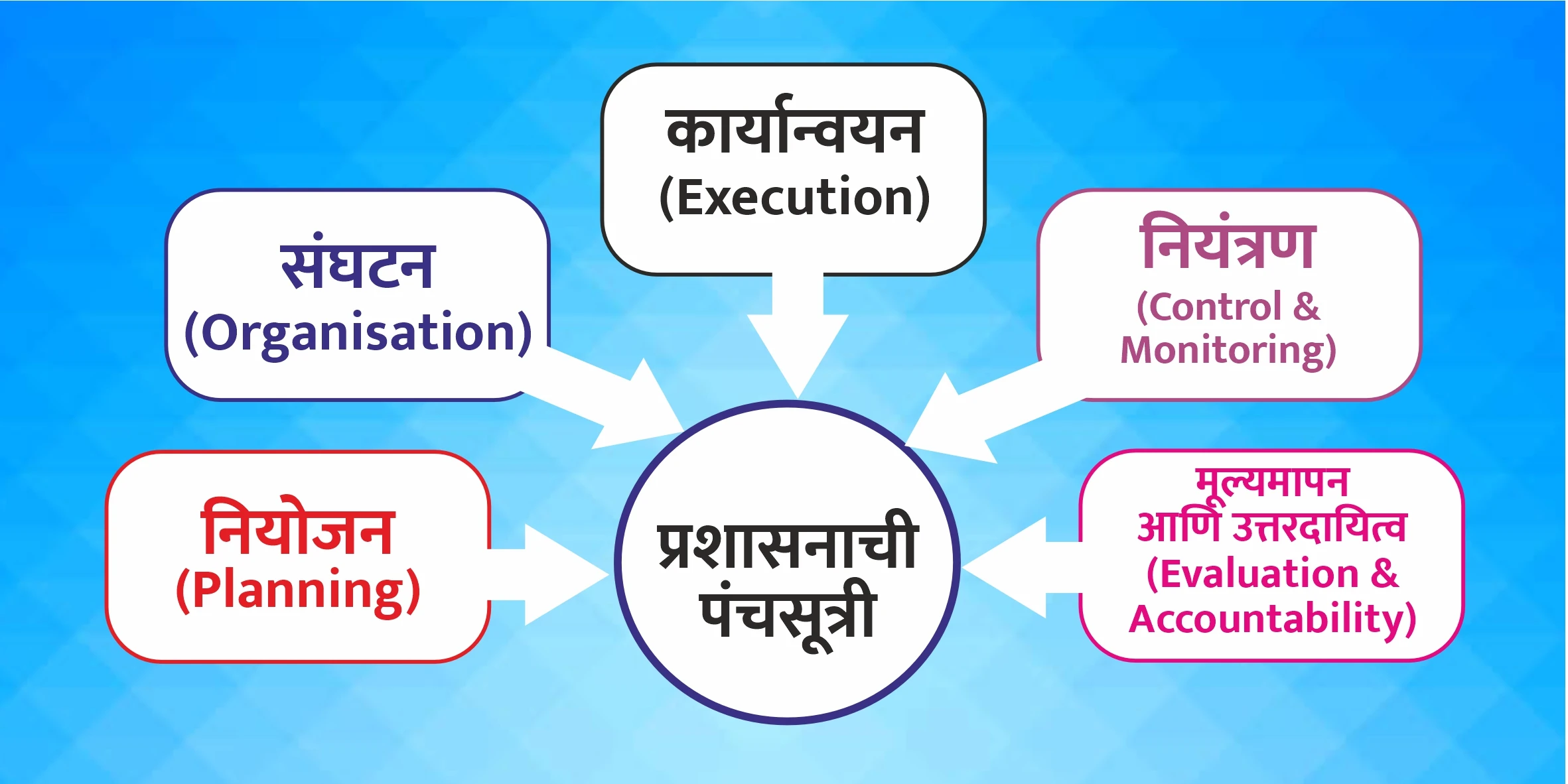
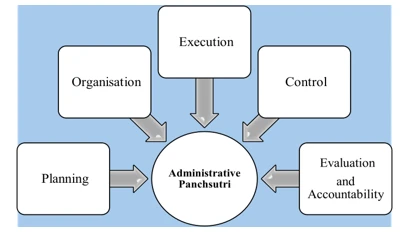
In a vast democratic country like India, efficient and transparent administration forms the foundation of development. For administration to be effective, responsive, and accountable, certain fundamental principles are required. The collective framework of these principles is known as the “Administrative Panchasutri.” There is no universally fixed set of administrative principles; they change according to time, context, and ideology. Thinkers in management science, public administration, and modern governance have articulated these principles in different ways.
• Henry Fayol (1916), in management science, proposed fundamental principles such as division of work, authority and responsibility, discipline, unity of command, subordination of individual interest, remuneration, centralisation and decentralisation, scalar chain, order, equity, stability of tenure, initiative, and esprit de corps.
• Luther Gulick (1937), in the context of public administration, identified administrative functions as planning, organisation, staffing, directing, coordinating, reporting, and budgeting.
• The United Nations highlighted participation, rule of law, transparency, accountability, consensus orientation, inclusiveness and equity, efficiency, and effectiveness as core principles of good governance.
Based on these perspectives, it is evident that five fundamental principles are essential for effective administration. These five principles form the foundational pillars of administration. When implemented properly, they help administration become people-oriented, effective, and sustainable.
To better understand this panchasutri, let us examine each step with examples:
1. Planning
The first step in administration is proper planning. Preparing clear plans regarding objectives, resources to be used, and the time frame for achieving goals constitutes planning. Without planning, any action becomes directionless. Effective planning ensures optimal use of resources, saves time, and helps achieve desired outcomes. In short, planning should be realistic, beneficiary-oriented, and flexible according to circumstances.
Example: Urban solid waste management—planning daily waste generation, classification (wet, dry, hazardous), citizen participation, transport systems, processing centres, and required funding.
2. Organisation
After planning, the next step is organisation. Organisation involves arranging and allocating manpower, capital, materials, machinery, and infrastructure to achieve objectives. Effective organisation is essential for successful implementation. Clear division of work, responsibilities, and authority ensures smooth functioning.
Example: Identifying landfill sites, processing centres, supervisors, contractors, sanitation workers, vehicles, bins, and all related resources for waste management.
3. Execution
Following planning and organisation comes execution—the actual implementation of planned activities. This stage is the true test of administrative success, as even the best plans fail if implementation is weak.
Example: Door-to-door waste collection, transportation, segregation at processing centres, producing compost or recyclable materials, and involving NGOs where required.
4. Control
Control ensures that implementation follows plans in terms of time and quality. It involves monitoring, corrective actions, and supervision. Without control, inefficiency, fund misuse, and failure to achieve objectives may occur. Regular reporting, inspections, technical audits, and third-party evaluations are effective tools of control.
Example: Monitoring timely waste collection, availability of vehicles and staff, proper segregation, GPS tracking of waste vehicles, and grievance redressal systems.
5. Evaluation and Accountability
Evaluation and accountability are crucial elements of administrative panchasutri. Evaluation involves assessing whether objectives have been achieved and whether intended benefits have reached beneficiaries. Accountability fixes responsibility on institutions, departments, or officials. This helps measure administrative efficiency and suggest improvements for future planning. Accountability enhances transparency and makes administration more people-centric.
Example: Evaluating cleanliness levels, citizen satisfaction, revenue from recycling, departmental performance, and taking action against responsible officials in case of deficiencies.
As the saying goes, “Yatra dharmah tatra jayah”—where there is justice and rule-based conduct, there lies victory.
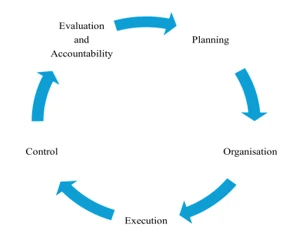
In summary, the five principles of administration are closely interlinked and interdependent. Planning guides organisation; organisation enables execution; execution without control undermines quality; and without evaluation, true administrative effectiveness cannot be assessed. Evaluation-based feedback helps guide future planning.
While adopting these principles for effective and people-centric administration, administrators may face challenges such as bureaucratic inertia, delays in fund allocation, shortage of skilled manpower, lack of technology, inadequate independent evaluation mechanisms, and political interference. Possible solutions include:
1. Adoption of e-governance to enhance transparency
2. Capacity-building training to address skill gaps
3. Public participation through social audits and citizen forums
4. Third-party evaluations for impartial assessment
5. Strict enforcement of accountability with corrective action and follow-up
In the current administrative context, digital tools such as e-governance, social media, artificial intelligence, automation, and online services are increasingly being adopted. As discussed above, the administrative panchasutri is not merely a theoretical framework but a practical guiding system. Only through its effective implementation can administration truly become people-centric. As a vital component of Indian democracy, administration can become more efficient through planning, organisation, execution, control, evaluation, and accountability—helping achieve development objectives and improve the quality of life of citizens.
Madhuri Atul Gunjal
Research Collaboration and Consultancy Centre, YASHADA, Pune
Contact: 98504 33855
(Article published in the July–September 2025 issue of YASHADA Yashmanthan. For subscription, contact: 7798703952)



Comments
No comments available